A beginning grounded in purpose.
The Minister’s Institute was founded to expand education and prepare ministers.
The College opened doors. Alumni carry that opportunity into the world and bring their commitment home. Together, these stories give our work its purpose: honor the people who came before us and help the next generation move forward.
 Arkansas Baptist College carries a story larger than a campus: African American communities building the educational foundation for their own spiritual leadership and future opportunity.
The College traces its beginnings to the Minister’s Institute, founded by the Colored Baptists of Arkansas. Its original purpose was to strengthen the education of African American ministers through the teachings of Jesus Christ. Classes began at Mount Zion Baptist Church in Little Rock. In the years following emancipation, access to education could help people lead congregations, teach others, and build community institutions.
The College later broadened its educational work. Its present mission connects scholarship and the liberal arts with Christian development, social responsibility, service, and preparation for employment. That connection between learning and responsibility remains central to the story.
Sources: College history ↗ · College mission and vision ↗
Founded in 1884, the College has a history spanning more than 140 years. It identifies itself as the only Baptist historically Black college west of the Mississippi River. This distinction brings faith, heritage, and geography together.
Yes, other surviving HBCUs began with closely related purposes before 1884. These three documented examples show the wider tradition to which the College belongs:
| Institution and origins | Connection to the mission |
|---|---|
| Shaw University ↗ 1865 · Raleigh, North Carolina | Founded by the American Baptist Home Mission Society to provide theological education to freedmen after the Civil War. |
| Benedict College ↗ 1870 · Columbia, South Carolina | Its original educational objective included preparing teachers and preachers for African American communities. |
| Virginia Union University ↗ 1865 roots · Richmond, Virginia | Its predecessor theological schools trained African Americans for Baptist ministry. The present university developed through the union of multiple institutions. |
These are three examples, not a complete national count or a claim of identical missions or uninterrupted operations. Founding dates refer to the institutions’ documented origins. For context, NCES reported 99 HBCUs in 2022 ↗; that total includes newer institutions and does not count only schools founded by 1884 with a ministry mission.
For Arkansas, the College preserves a locally rooted connection between African American educational opportunity and Christian service. For Little Rock, it is part of the city’s living educational and religious heritage. Across the Southeast and the wider South, its history belongs alongside institutions that linked learning, faith, and community leadership when educational access was severely restricted.
Our case for supporting it is forward-looking: a faith-rooted college can connect students, congregations, educators, alumni, and employers around the work of preparing people to serve.
Congregations need leaders who can interpret Scripture thoughtfully, communicate clearly, exercise sound judgment, and respond to the needs of families and communities. A college founded around ministerial education represents a lasting investment in that preparation. Its broader mission also speaks to service beyond the pulpit, including education, civic responsibility, and work.
NAA / ABC’s invitation: help carry this responsibility forward. Reconnect classmates, offer mentoring or professional skills, invite your congregation into the conversation, and support the Association’s ability to organize sustained help for the College and its students.
Historical and mission sources reviewed November 1, 2026. The regional and ministry discussion expresses NAA / ABC’s case for support. NAA / ABC and the College are separate organizations; gifts follow the recipient and purpose stated on the giving page.
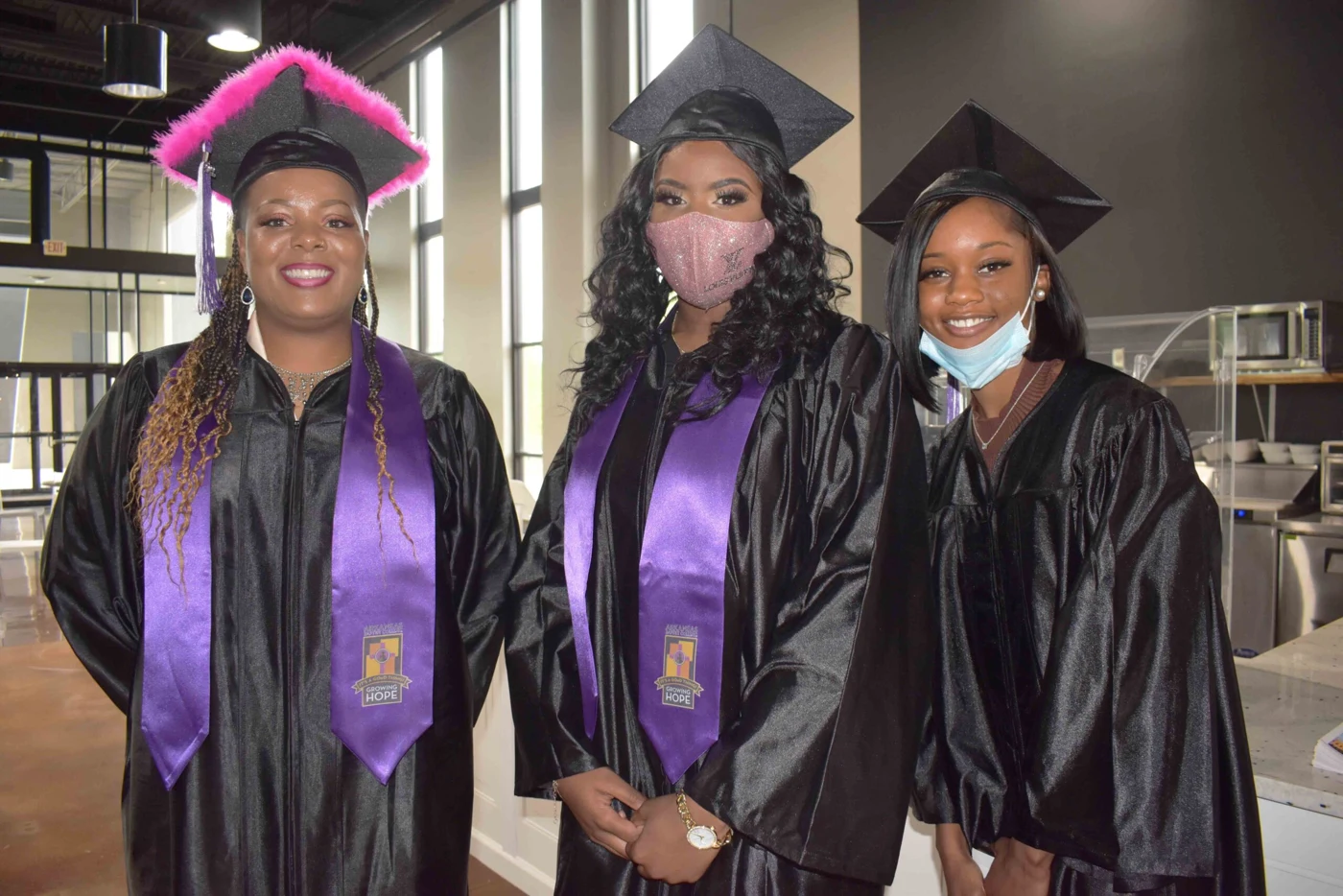
For Arkansas Baptist College alumni, the relationship with the College extends beyond the years spent on campus. It lives in friendships, church communities, professional networks, and a shared commitment to students following in their footsteps.
The College’s 2020 commencement program makes that connection visible. Dr. Leonard Porter, a member of the Class of 1967 and then second vice president of the National Alumni Association, led the induction of graduating students into the Association. One generation welcomed another into a continuing responsibility.
The Association’s grant-request materials describe that responsibility through scholarship fundraising, an endowment initiative, and an Adopt-a-Student campaign supported by alumni, friends, and churches. These efforts reflect a tradition of helping students overcome financial barriers and remain connected to opportunity.
Those same materials set out ambitions for recruitment, career connections, student well-being, young alumni leadership, and stronger chapters. They show a community looking ahead, with a clear understanding that alumni involvement can reach far beyond a reunion.
Our next chapter builds on that commitment. Every renewed relationship, shared skill, and contribution helps the Association grow stronger and extend its reach. Continued support sustains the people, communication, and coordination this work requires.
Alumni history drawn from the Association’s grant-request materials and the College’s 2020 commencement program. Historical initiatives are described as documented; current availability can be confirmed with Bobby Hannah Willis, Administrative Assistant to Alumni Leadership.
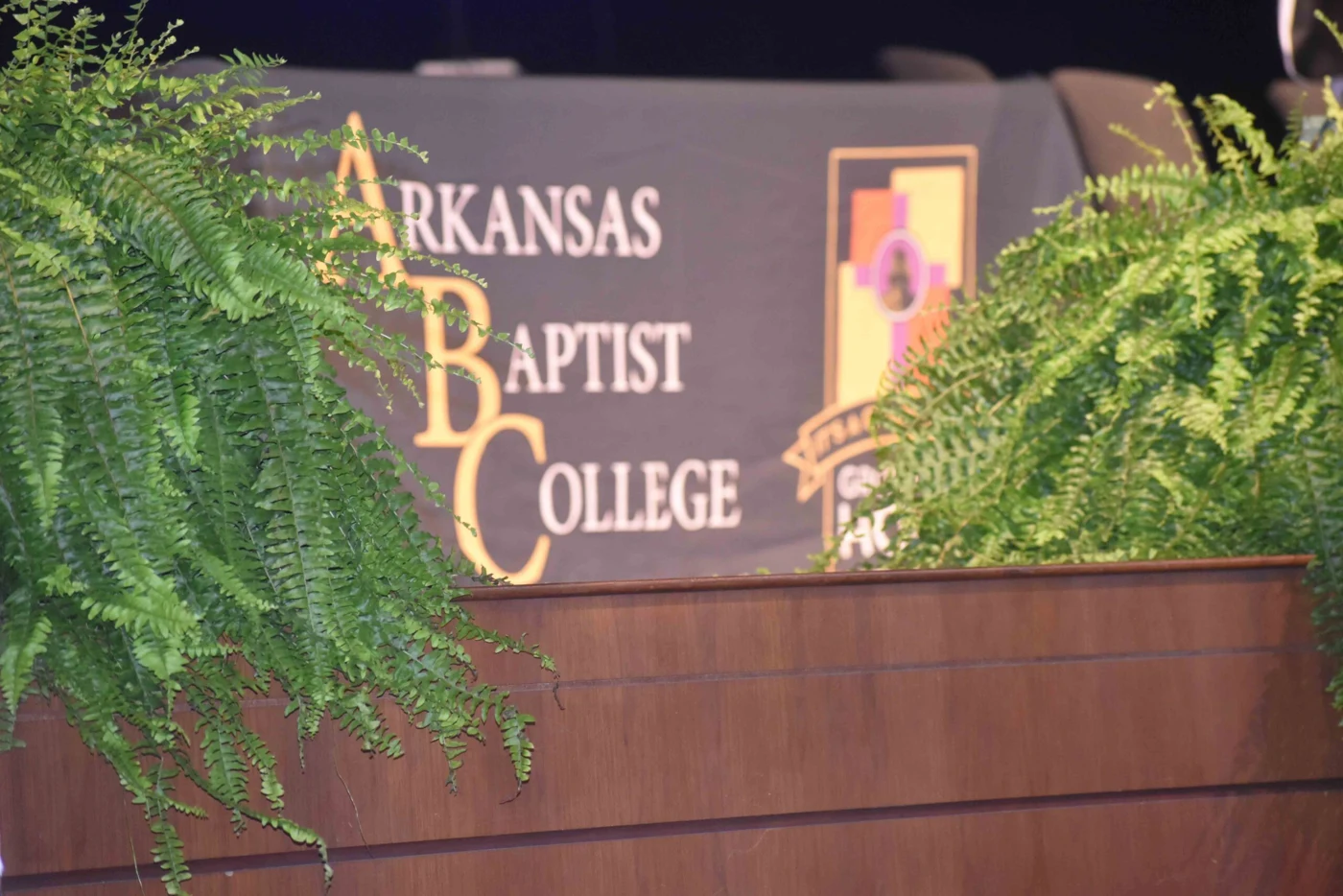
Arkansas Baptist College began in 1884 as the Minister’s Institute, established by the Colored Baptists of Arkansas. Its early purpose joined ministerial education with broader educational opportunity for African American men and women after the Civil War.
In Little Rock, that vision grew into a lasting institution. The College identifies itself as the only Baptist HBCU west of the Mississippi River. Its history connects education, faith, and service across generations.
The Minister’s Institute was founded to expand education and prepare ministers.
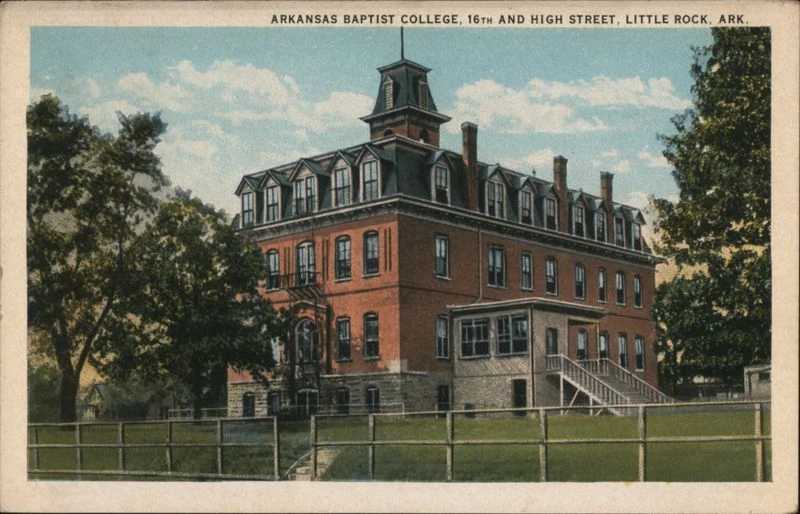
The institution became Arkansas Baptist College as its educational purpose expanded.

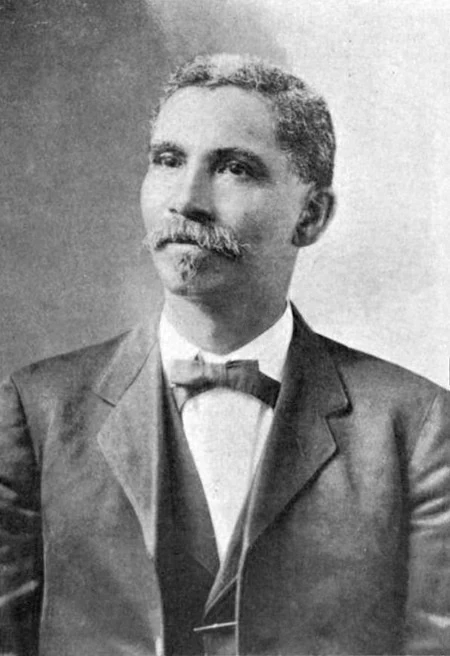
Joseph Albert Booker served as the College’s first president.
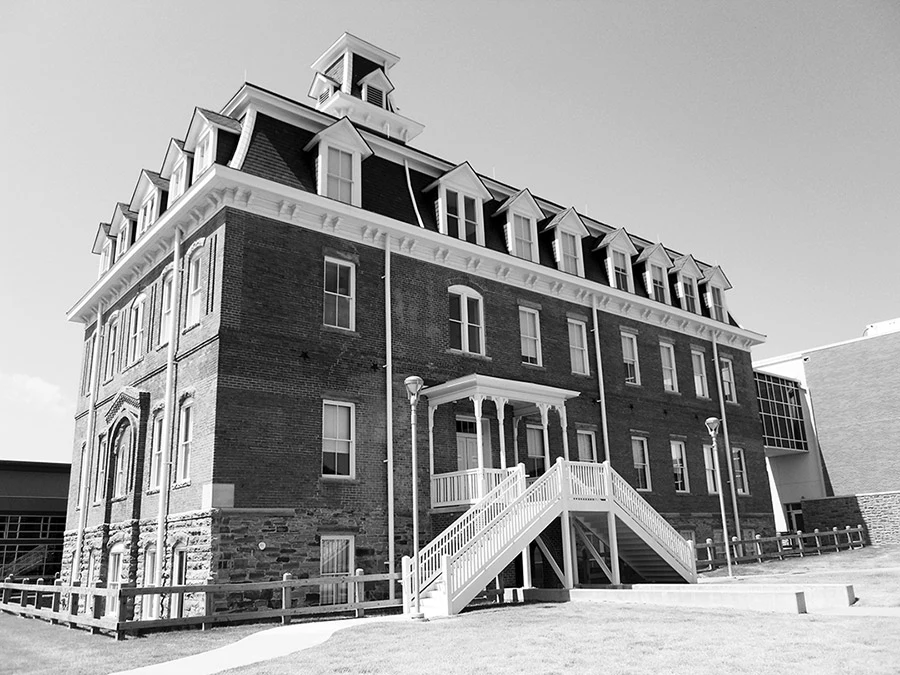
Old Main’s cornerstone was laid in 1893. The building entered the National Register of Historic Places in 1976.
Historical milestones: Arkansas Baptist College’s official history ↗
A college’s legacy is carried by people: students pursuing an education, families investing in their future, and alumni whose lives remain connected to the institution. Keeping that connection strong helps preserve opportunity for those who come next.
For alumni, supporting the Association sustains the practical work behind a shared purpose. Reliable outreach helps classmates find one another. Clear communication keeps people informed. Organized follow-up helps turn an offer to help into a meaningful contribution.
A stronger Association can bring more relationships, professional knowledge, partnerships, and resources to the College’s mission. That is why continued investment in alumni capacity matters alongside approved student and College support.
We have a legacy worth carrying forward and a community worth continuing to invest in. Giving, reconnecting a classmate, sharing a memory, or offering expertise can each help keep that momentum growing.
Have a class photograph, chapter milestone, scholarship memory, or alumni story to contribute? Contact the office so the Association can review it for future additions to this history.
All inquiries and donation arrangements currently go through Bobby Hannah Willis, Administrative Assistant to Alumni Leadership while the website and electronic giving options are finalized.
Contact the Office ↗NaaaBcinc@gmail.com
(501) 231-7697
Association gifts and direct College gifts have distinct recipients and purposes. Confirm arrangements with Bobby Hannah Willis, Administrative Assistant to Alumni Leadership before giving.
College history: official historical milestones. Alumni history: the Association’s Grant Request and the College’s 136th Commencement program (2020), reviewed from the Association’s records. This page does not assign an unverified founding year to the Association or present past fundraising figures as current results.
Help our alumni stay connected and involved. Your support fuels stronger connections, greater capacity, and sustained support for Arkansas Baptist College.
Alumni and friends helped establish the headquarters at 1510 Martin Luther King Drive. Explore its story and a proposed vision for fresh paint, landscaping, alumni connection, history preservation, and service.