Stronger leadership
Leadership training, governance resources, and opportunities to learn from other alumni leaders can help associations carry out their responsibilities with greater confidence.
Clear responsibilities help people ask better questions and reach the right decision-maker. This guide explains the difference between governing a college, managing its operations, supporting it through an alumni association, and overseeing compliance with outside standards.
Arkansas Baptist College is the example used here. NAA / ABC is a separate alumni organization supporting the College and its students. This is an educational guide, not an official College organizational chart or a determination about any individual concern.
Reviewed November 1, 2026 · Based on published sources · Confirm current personnel and procedures before filing.
Choose an organization below to see its responsibilities and the appropriate contact or complaint guidance. The highlighted bubble is NAA / ABC, your Alumni Association.
 Board of TrusteesGoverns the College
 Higher Learning CommissionAccreditation
 U.S. Department of EducationTitle III: institutional grantsThe institutionArkansas Baptist CollegePresident & administration
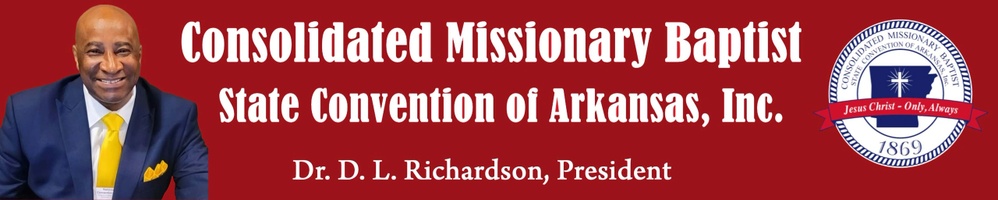
 Baptist conventionsState & national relationships
 NAA / ABCNational Alumni Association
 NHBCUAAFNational HBCU AlumniAlumni chapters
Different connections mean different responsibilities. This is a relationship map, not one chain of command. The Board governs the College; accreditors and public agencies act only within their own authority. Convention governing powers require verification from current documents. NAA / ABC supports and advocates as a separate organization. The NHBCUAAF connection shows national support for the Alumni Association and the wider HBCU alumni community.
The National HBCU Alumni Associations Foundation (NHBCUAAF) is part of NAA / ABC’s support network, connecting our Association with resources and relationships dedicated to strengthening HBCU alumni organizations.
The Foundation’s full name is the National Historically Black Colleges and Universities Alumni Associations Foundation, Inc. Led by President Tyrone “Ty” Couey, it supports alumni associations across the HBCU community through leadership development, organizational assistance, strategic partnerships, and professional resources.
Leadership training, governance resources, and opportunities to learn from other alumni leaders can help associations carry out their responsibilities with greater confidence.
Organizational development, professional connections, and shared practices help alumni associations improve how they engage members and advance their work.
Conferences, peer learning, and national relationships connect alumni associations working toward the shared goal of sustaining their institutions and communities.
Our Association’s relationship with NHBCUAAF connects its local work to a broader national effort. Alumni do not have to build every resource or solve every organizational challenge alone. Access to experience, professional guidance, and fellow alumni leaders can strengthen the Association’s capacity to serve members, advocate effectively, and develop support for Arkansas Baptist College.
The chart identifies an organizational support relationship. NHBCUAAF and NAA / ABC are separate organizations. This connection does not give the Foundation governing authority over the College or imply a financial award or endorsement of every Association position.
NAA / ABC seeks a designated voting alumni seat on the College Board, supported by a formal selection process. This proposal is not yet an approved change to the structure shown above.
Read why the Association considers it important, how other HBCUs and major universities include alumni, and the practices that can make the role effective.
Read the proposal and university examples →Title III, Part B supports eligible HBCUs through grants for institutional capacity, including facilities, financial management, academic resources, and endowments. The Department administers the program and its grant requirements.
Title III is a federal funding program. It is distinct from HLC accreditation and from the College’s Board of Trustees. This chart does not announce any grant restriction or investigation involving the College.
Official Title III, Part B program →HLC evaluates institutional quality through its accreditation criteria. Its role is separate from federal grant administration and daily College management.
HLC accreditation criteria →The Association has its own board, officers, and membership. It organizes alumni support, fundraising, and advocacy for the College and its students.
Its organizational identity and IRS documentation are available on this website. Additional board and membership structure details will follow from the office.
See how the Association is organized →Arkansas agencies and other federal offices retain their own issue-specific roles, as described in the concern-routing guide below. Lines on this relationship map identify types of responsibility, rather than a single reporting hierarchy.
The College identifies its trustees as the governing body. Its published duties include strategic direction, financial oversight, policy, accreditation oversight, and selecting, evaluating, and supporting the president.
Published chair: Roland L. Gosey. The College also lists Mitch Bettis as treasurer and Alicia Ferguson Smith as secretary. Confirm current membership using the official roster.
College Board of Trustees ↗The president and authorized administrators lead the institution and coordinate its work. Departments handle specific services and decisions within approved policies and delegated authority.
Published officeholder: Dr. George E. Herts. The president’s page uses “President”; some other College material uses interim terminology. Verify the current title directly.
Office of the President ↗NAA / ABC can organize alumni, communicate documented concerns, request meetings and records through appropriate channels, and develop support within its own authority.
It cannot automatically direct College employees, reverse grades, hire or dismiss the president, access confidential records, cancel College contracts, or control College accounts. Any College trustee role held by an alumnus is governed by that appointment and the College’s rules.
NAA / ABC leadership and mission →Understanding the position helps us understand the responsibility. The individuals serving in these positions may change; the roles and their governing rules provide the continuing point of reference.
Officeholders listed by official sources reviewed November 1, 2026. This is a dated reference, not a live leadership directory. Follow the source links for the latest appointments and titles.
| Position | Published officeholder | Responsibility and relationship |
|---|---|---|
| President, Arkansas Baptist College | Dr. George E. Herts | Leads College operations under Board oversight. The president is accountable to the Board as a governing body. The College’s president page uses “President”; confirm any interim or acting designation directly. President’s office ↗ |
| Chairman, College Board of Trustees | Roland L. Gosey | Leads the governing Board. The Board’s published responsibilities include selecting and evaluating the president, policy, strategic direction, and financial oversight. The chairman’s role is exercised within the Board’s rules and delegated authority. Official trustee roster ↗ |
| Position | Published officeholder | Organizational context |
|---|---|---|
| President, Consolidated Missionary Baptist State Convention of Arkansas | Rev. Dr. D. L. Richardson | State convention leadership within the College’s historical Baptist relationships. The convention’s official website identifies Richardson as president. State convention ↗ |
| Southwest Region Vice President, National Baptist Convention, USA, Inc. | Rev. Dr. D. L. Richardson | A separate regional position within the national convention’s presidential cabinet. Richardson is listed in both the state and national roles; the roles should be understood separately. National leadership directory ↗ |
| President, National Baptist Convention, USA, Inc. | Dr. Boise Kimber | Leads the national convention. Its official website identifies Kimber as its 19th president. National president ↗ |
College reporting: the College president is accountable to the College Board of Trustees. Convention leadership provides a separate set of Baptist organizational relationships. Listing state, regional, and national positions does not establish that the College Board reports to those individuals.
Any convention power to nominate, appoint, elect, or remove College trustees, approve College decisions, or exercise other reserved rights must be established through current governing documents. Those specific powers have not been verified for this guide.
Organizational identity: this section refers to the Consolidated Missionary Baptist State Convention of Arkansas and the National Baptist Convention, USA, Inc. These are distinct from the Southern Baptist Convention and the similarly named Arkansas Baptist State Convention.
NAA / ABC remains a separate alumni organization. It can build relationships, raise documented questions, and organize support within its own authority.
Tell the head office what you have tried, what response you received, and what remains unresolved. The concern form includes space for supporting documents and pictures.
Report a concern to NAA / ABC →These are general starting points, not a promise that an office can grant a particular remedy. Follow the applicable College policy and any external filing deadlines. You do not need the Alumni Association’s permission to use an official reporting channel.
| Concern | Start here | If unresolved or a different authority is needed |
|---|---|---|
| Classes, grades, academic decisions | Instructor or relevant academic office; request the applicable academic appeal policy. | Use the policy’s department, dean, or academic leadership appeal route. HLC does not obtain individual remedies. |
| Transcript or enrollment record | College registrar or records office. | Request written review through the responsible administrator and retain dates, requests, and responses. |
| Housing, campus organizations, student services | Responsible service office; formal Student Affairs complaint when informal resolution is unsafe, inappropriate, or unsuccessful. | Follow the published Student Affairs escalation process to the designated senior administrator. See the procedure below. |
| Tuition account, payment, or federal student aid | Student accounts for billing; Financial Aid for aid eligibility or disbursement. | For federal-aid issues, use the Federal Student Aid Feedback Center. A billing dispute is not automatically an OIG matter. |
| Sex discrimination, harassment, or other civil rights concerns | Use the appropriate College Title IX, accessibility, or civil rights channel. Confirm current designated contacts. | OCR may be an external option within its jurisdiction. Its guidance says internal grievances are not legally required before filing; do not let internal review cause you to miss a deadline. |
| Employee pay, workplace, or personnel concerns | College Human Resources or the applicable employee grievance procedure; an alternate designated recipient if the usual recipient is implicated. | Use appropriate employment or wage enforcement channels or qualified counsel for the specific issue. This guide does not establish employment remedies. |
| Institution-wide finances, major commitments, or leadership oversight | For operational information, the responsible executive office. For governance or presidential oversight, a documented request addressed to the Board through its designated channel. | Ask for confirmation of receipt and referral to the appropriate trustee committee or independent reviewer. If leadership is implicated, request an independent recipient; do not assume the usual chain is appropriate. |
| Possible failure to meet accreditation requirements | Review applicable HLC requirements and the College’s relevant complaint process where appropriate. | Use HLC’s institutional complaint process with supporting evidence. HLC evaluates compliance; it does not act as an individual appeal court. |
| Suspected misuse of U.S. Department of Education funds | Preserve factual information and use a suitable institutional reporting channel where appropriate and safe. | Education OIG receives reports within its federal education funding/program jurisdiction. Submit facts and supporting records, not a conclusion that misconduct has been proven. |
| Membership, Association gifts, alumni activities, or volunteering | NAA / ABC office: Bobby Hannah Willis, Administrative Assistant to Alumni Leadership. | Association leadership handles its own records and decisions. College donations and College complaints follow their separate receiving organizations and procedures. |
The College’s student-life complaint page describes the following sequence. It is not the universal process for academic, employment, discrimination, or emergency matters.
College student complaint procedure ↗These are the College’s published statements, not response guarantees made by NAA / ABC. Confirm the current policy, filing method, and applicable deadlines with the College.
Institutional accreditation and compliance with HLC requirements. Its complaint policy generally expects appropriate institutional grievance steps first and does not provide individual remedies. Verify present accreditation status in HLC’s directory; a draft report or recommendation is not a final action.
HLC complaint process ↗ADHE provides a student grievance route and explains its coordinating functions. It expressly states it does not control institutions’ day-to-day operations. Its page recommends completing institutional complaints first. For interstate distance education, confirm SARA eligibility and the appropriate portal process before filing.
ADHE student grievance guidance ↗OCR: discrimination within its civil rights jurisdiction. Its guidance generally specifies 180 days, subject to exceptions; review current instructions promptly.
Federal Student Aid: federal student aid complaints.
Education OIG: suspected wrongdoing involving Education Department programs, operations, or funds.
U.S. Department of Education civil rights complaints ↗Only authorized College officials can provide protected records or make College commitments. The Association can help organize a constructive conversation; it is not an emergency reporting service, confidential ombuds office, or substitute for an official complaint.
Office of the President:
president@arkansasbaptist.edu
(501) 420-1200
Student Affairs published general route:
info@arkansasbaptist.edu
(501) 420-1200
Board correspondence: consult the official trustee page or call the College to obtain its designated Board submission route. Address governance matters to the appropriate Board officer or committee and request receipt confirmation. The president’s office contact is not proof that the Board has received a complaint.
Title IX contact discrepancy: the student complaint page names Cleodis J. Colbert; the separate Title IX page, marked April 2021, names Dr. Darryl A. Peal. This guide does not resolve that conflict. Ask the College to confirm the current Title IX coordinator promptly, or use OCR’s official guidance for an external concern.
Bobby Hannah Willis, Administrative Assistant to Alumni Leadership
NaaaBcinc@gmail.com
(501) 231-7697
For membership, Association donations, volunteer participation, alumni communications, or requests to discuss a published College issue.
Sharing a concern with NAA / ABC does not file a College or agency complaint and does not preserve filing deadlines. The office may help identify a route without taking over the decision.
Contact NAA / ABC →Reviewed November 1, 2026. College roles are attributed to its published pages. Complaint routes are attributed to the issuing organizations. This guide does not declare a current accreditation sanction or determine the facts of an individual dispute.
A complete, current, authenticated College charter, bylaws, committee delegations, and trustee appointment/removal rules were not verified for this guide. Do not infer an alumni voting seat, a right to remove trustees, approval thresholds for a transaction, or authority over the Board from an affiliation alone.
The College has historical Baptist affiliations, including the Consolidated Missionary Baptist State Convention of Arkansas. That history does not establish a current governing power in this guide. Do not confuse similarly named Baptist conventions, the College Board, and the Alumni Association. Specific reserved powers must be established from controlling documents.
We describe responsibilities and routes, not allegations against people. A concern, petition, no-confidence resolution, draft recommendation, and final official action are different types of records. We do not treat one as another. Personnel and procedures can change; check the source before acting.
The HLC complaint page could be located in official search results, but direct retrieval was restricted during review. HLC’s published policy book supports the scope explanation above. No private project files or confidential records are linked from this page.